
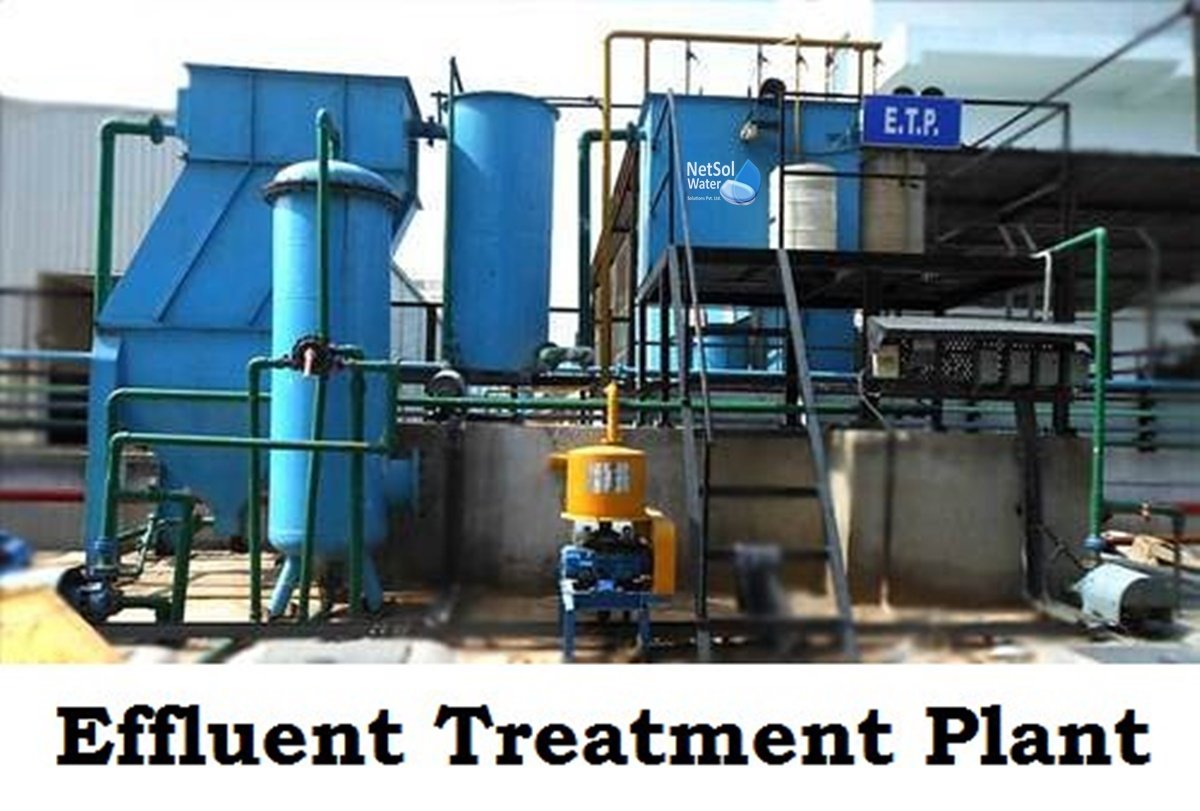
Healthcare Effluent
Hospital Effluent Treatment Plant in Gurugram
Treatment for wastewater from hospital laboratories, laundries, kitchens and wards, combining pre-treatment, biological treatment and thorough disinfection.
- Stream-wise pre-treatment
- Multi-barrier disinfection
- Design to AMC
Get a price for your hospital effluent treatment plant
An engineer calls you back, usually within one working day.
Hospital effluent is more than ordinary sewage
A hospital produces several kinds of wastewater. Alongside sewage from toilets and wards, there are discharges from pathology and research laboratories, laundries using detergents and disinfectants, kitchens, dialysis units and cleaning operations. These streams can carry pathogens, chemicals, disinfectants and pharmaceutical residues that a basic STP is not designed to handle.
A hospital effluent treatment plant addresses this by pre-treating specific streams where needed, combining them with the main flow for biological treatment, and finishing with filtration and strong disinfection. BJC Global designs these plants to meet applicable CPCB/SPCB discharge norms and the conditions in your consent.
Bio-medical waste itself is handled separately under the Bio-Medical Waste Management Rules: solid waste, sharps, cultures and liquid waste such as blood and body fluids must be segregated, pre-treated and disinfected at source as required. The ETP complements, and does not replace, that system. For sewage-only needs, see our hospital sewage treatment plant page.

Hospital wastewater streams and how they are treated
An indicative view; the actual scheme depends on your departments and test results.
| Source | Typical concern | Treatment approach |
|---|---|---|
| Wards, OPDs and toilets | Organic load, pathogens | Biological treatment followed by disinfection |
| Laboratories | Chemicals, reagents, possible infectious residues | Source disinfection as per BMW rules, segregation, neutralisation |
| Laundry | Detergents, disinfectants, lint, high temperature | Lint screening, equalisation, cooling, chemical treatment |
| Kitchen and canteen | Fats, oil and grease, food solids | Grease trap and screening before the main plant |
| Dialysis and other clinical units | High volumes, salts, disinfectant residues | Flow balancing and combined treatment |
Hospital effluent treatment process
A multi-barrier approach that does not rely on a single stage.
Segregation and pre-treatment
Laboratory, laundry and kitchen streams receive the pre-treatment they need before joining the main flow.
Equalisation and neutralisation
Combined effluent is balanced for flow and pH so the biology is not shocked by chemical discharges.
Physico-chemical treatment
Coagulation and settling remove fine solids and some chemical contaminants where the effluent requires it.
Biological treatment
MBBR, SBR or MBR systems break down organic matter under controlled aeration.
Filtration and disinfection
Sand and carbon filters polish the water, then chlorination, UV or ozone reduce pathogens before discharge or permitted reuse.
Sludge handling
Sludge is dewatered and disposed of according to applicable rules and pollution control board guidance.
Disinfection is non-negotiable
Hospital effluent can contain antibiotic-resistant bacteria and other pathogens. Disinfection after biological treatment and filtration is therefore an essential barrier, not an optional extra. We size disinfection systems with adequate contact time, consider combining UV with chlorination where appropriate, and provide monitoring so operators can check performance.
Equally important is reliability: standby pumps and blowers, alarms and clear SOPs keep the plant working through a hospital's 24-hour cycle.
- Chlorination, UV or ozone options
- Residual and dosing checks
- Standby equipment for critical units
- Enclosed tanks for odour and safety
What BJC Global delivers for hospitals
Practical support for facility managers and project teams.
Assessment
Review of departments, water use, existing drains and consent conditions to identify every effluent stream.
Healthcare-focused design
Compact, enclosed layouts placed away from patient areas, with safe operator access.
Compliance support
Design documentation and guidance on testing to support consent applications and renewals.
AMC and quick response
Scheduled maintenance and priority breakdown support, because hospitals cannot afford downtime.
FAQs: Hospital Effluent Treatment Plant
Straight answers to what clients ask us most. Can't find yours? Ask us directly.
Still have a question?
Talk to an engineer: +91 90734 97917 or WhatsApp us. You can also email contact@bjc-global.com.
What is the difference between a hospital STP and a hospital ETP?
A hospital STP treats sewage from toilets, wards and kitchens. A hospital ETP is designed to also handle effluent from laboratories, laundries and other departments that may contain chemicals, disinfectants or pharmaceutical residues. Many hospitals use an integrated plant with pre-treatment for specific streams. Your consent conditions and departments determine which is required.
Does a hospital ETP treat bio-medical waste?
No. Bio-medical waste, including liquid waste like blood, body fluids and laboratory cultures, must be segregated, pre-treated and disinfected at source as required by the Bio-Medical Waste Management Rules, and solid waste goes to authorised treatment facilities. The ETP treats the hospital's wastewater after these rules have been followed.
Is an ETP mandatory for hospitals?
Healthcare facilities generally need consent from the State Pollution Control Board, and the consent sets conditions for treating wastewater before discharge. Whether a separate ETP is required depends on facility size, services offered and local requirements. We can review your consent and recommend the appropriate treatment.
Which disinfection method is best for hospital effluent?
Chlorination is widely used and leaves a measurable residual. UV avoids chemical by-products but needs clear water to work well. Ozone is effective but more complex. For hospitals, a combination such as UV followed by chlorination is often considered for added assurance. We recommend a method based on water quality, reuse plans and budget.
How is the size of a hospital ETP decided?
We look at bed count, outpatient numbers, laundry and kitchen arrangements, laboratory activity, staff housing and future expansion, and review water meter data where available. Separate streams are quantified so pre-treatment units can be sized correctly. This avoids an undersized plant as the hospital grows.
Can treated hospital effluent be reused?
Treated and disinfected water can be used for purposes such as gardening and toilet flushing where permitted, and with further treatment for cooling towers. It must never be connected to drinking, clinical or patient-care water. Reuse needs separate, clearly marked plumbing and consistent disinfection performance.
Can you upgrade our existing hospital wastewater plant?
Yes. We audit the plant, test inlet and outlet quality, and check capacity against current hospital load. Common upgrades include adding equalisation, converting to MBBR, adding tertiary filtration, strengthening disinfection and installing standby equipment. We plan work to minimise disruption to hospital operations.
Related solutions
Hospital Sewage Treatment Plant
Hospital sewage treatment plants in Gurugram with reliable disinfection, odour control and standby equipment for…
Read more
WastewaterEffluent Treatment Plant
Effluent treatment plant design and build in Gurugram: treatability study, primary to tertiary stages, sludge handling…
Read more
WastewaterETP Plant
Industrial ETP plants in Gurugram for textile, pharma, food, dairy, automobile and chemical units, built for your…
Read more
WastewaterWater Recycling Plant
Water recycling plants in Gurugram that turn STP and ETP water into reusable water for flushing, cooling, gardening and…
Read more
Get a hospital effluent plant you can rely on
Book a free site visit for an assessment of your hospital's wastewater streams and a clear treatment proposal. Call or WhatsApp +91 90734 97917.