
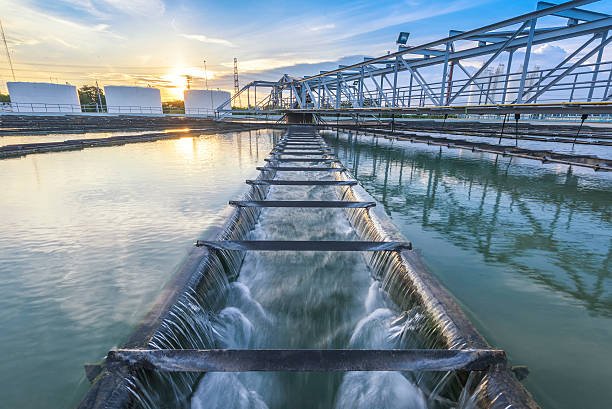
Wastewater Reuse
Water Recycling Plant in Gurugram
Tertiary and advanced treatment that turns treated sewage or effluent into dependable water for flushing, landscaping, cooling towers and suitable process uses.
- Cuts fresh water demand
- Filtration, UF and RO
- Design to AMC
Get a price for your water recycling plant
An engineer calls you back, usually within one working day.
Make every litre work twice
Gurugram depends heavily on groundwater and tankers, and fresh water is getting more expensive and less reliable. Yet most buildings and factories already produce a steady source of water every day: the outlet of their STP or ETP. A water recycling plant upgrades that treated water to a quality that can safely replace fresh water for many uses.
Recycling usually involves tertiary treatment such as filtration, ultrafiltration and disinfection, and, where low salts are needed, reverse osmosis. The level of treatment depends on what you want to use the water for, so we design backwards from the end use rather than over-treating.
BJC Global designs, builds and maintains water recycling systems for housing societies, commercial buildings, hotels, institutions and industries. If you do not yet have a working treatment plant, start with our sewage treatment plant or effluent treatment plant services.

Matching treatment to the reuse you need
Indicative treatment levels; the final design depends on your water quality and local requirements.
| Reuse application | Typical treatment after STP/ETP |
|---|---|
| Toilet flushing | Filtration and disinfection, with separate plumbing |
| Landscaping and gardening | Filtration and disinfection; check salts for sensitive plants |
| Floor and vehicle washing | Filtration and disinfection |
| Cooling tower make-up | Filtration, ultrafiltration and often RO to control scaling |
| Boiler feed or process water | UF plus RO, sometimes with further polishing |
| Construction and dust suppression | Filtration and disinfection |
Treatment technologies in a water recycling plant
Combined according to the quality of your treated water and the reuse target.
Multigrade and sand filtration
Removes residual suspended solids and turbidity from STP or ETP outlet water.
Activated carbon
Reduces colour, odour and some organic compounds to improve water quality and acceptability.
Ultrafiltration
Membranes remove fine particles, bacteria and colloids, providing a consistent feed for RO or high-grade reuse.
Reverse osmosis
Reduces dissolved salts for cooling, boiler and process applications that need low TDS.
UV and chlorination
Disinfection ensures recycled water is microbiologically safe for its intended non-potable use.
Planning a recycling system that actually gets used
Many recycling projects fail not because of treatment but because the water has nowhere to go. We map where recycled water will be used, check pipe routes and storage, and plan dual plumbing with clear colour coding so treated water never mixes with drinking water.
For existing buildings, we often start by upgrading the STP's tertiary section and connecting it to flushing or garden lines, which can deliver quick savings with modest investment.
- Water balance and reuse potential study
- Dedicated recycled-water storage and pumping
- Colour-coded dual plumbing guidance
- Online monitoring options for key parameters
Who benefits from water recycling
Any site with a steady wastewater flow and a non-potable water demand.
- Housing societies
- IT parks and offices
- Hotels and resorts
- Hospitals
- Malls
- Universities
- Data centres
- Textile units
- Food and beverage plants
- Automobile plants
- Power and utilities
- Construction projects
What our water recycling projects include
A complete solution from study to maintenance.
- Assessment of existing STP or ETP performance
- Testing of treated water quality
- Selection of filtration, UF, RO and disinfection
- Recycled water storage and distribution design
- Supply, installation and commissioning
- RO reject management planning
- AMC including membrane care
FAQs: Water Recycling Plant
Straight answers to what clients ask us most. Can't find yours? Ask us directly.
Still have a question?
Talk to an engineer: +91 90734 97917 or WhatsApp us. You can also email contact@bjc-global.com.
Is recycled water safe?
When treated to the right level and disinfected properly, recycled water is safe for non-potable uses such as flushing, gardening, cooling and washing. It is not meant for drinking or cooking. Safety depends on consistent operation, which is why we include disinfection, monitoring and AMC in our recycling projects.
Can I recycle water if my STP is not working well?
Recycling depends on a stable STP or ETP upstream. If the existing plant is underperforming, filters and membranes will clog quickly and water quality will suffer. We usually audit and fix the treatment plant first, then add or upgrade the recycling stage.
Do I need RO in a water recycling plant?
Not always. Flushing, gardening and washing usually need only filtration and disinfection. RO is required when dissolved salts must be reduced, for example for cooling towers, boilers or process water. RO adds cost and produces a reject stream, so we recommend it only where the end use needs it.
How much money can water recycling save?
Savings depend on how much fresh water you currently buy, its cost (borewell, tanker or municipal), and how much recycled water you can use on site. Sites relying on tankers often see the quickest returns. During the site visit we estimate the water balance and potential savings for your situation.
What happens to the RO reject?
RO reject contains concentrated salts and must be managed responsibly. Depending on volume and quality, options include blending where permitted, use in suitable applications or further treatment. In zero liquid discharge schemes, evaporation systems may be required. We plan reject management as part of the design.
Can recycling help meet my approval conditions?
Many building and industrial approvals encourage or require reuse of treated wastewater, for example for flushing and landscaping. A recycling plant helps you meet these conditions and document the reuse. We provide design details that support your compliance records. Reuse records also help when you renew consents.
What maintenance does a recycling plant need?
Routine tasks include backwashing filters, replacing carbon and filter media when exhausted, cleaning and eventually replacing UF and RO membranes, checking disinfection and calibrating instruments. Our AMC covers these tasks with scheduled visits so that recycled water quality stays consistent.
Related solutions
Sewage Treatment Plant
Sewage treatment plant design, installation, upgrades and AMC in Gurugram and Delhi NCR. New STPs, retrofits and…
Read more
WastewaterEffluent Treatment Plant
Effluent treatment plant design and build in Gurugram: treatability study, primary to tertiary stages, sludge handling…
Read more
Water treatmentIndustrial RO Plant Manufacturers
Industrial RO plants from 50 to 5,00,000 LPH for boiler feed, process and utility water. Engineered to your feed water…
Read more
WastewaterWaste Water Treatment Plant
Wastewater treatment plants in Gurugram for sewage, industrial effluent and mixed flows: STP, ETP, CETP and recycling…
Read more
Start reusing your treated water
Book a free site visit to assess how much water you could recycle and what it would take. Call or WhatsApp +91 90734 97917, or email contact@bjc-global.com.