
Irrigation · Hydroponics
Hydroponics System Integrator and Equipment Supplier in Gurugram
Soil-less growing systems for leafy greens, herbs and vine crops, with recirculating water, nutrient dosing and climate control, for commercial farms, rooftops and polyhouses.
- NFT, DWC, drip-substrate
- Nutrient and pH dosing
- Water treatment in-house
Get a price for your hydroponics system
An engineer calls you back, usually within one working day.
What Is Hydroponics and Why It Is Growing in India
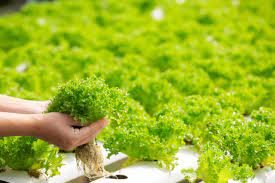
Hydroponics is a method of growing plants without soil. Roots sit in an inert medium or directly in water, and receive a carefully balanced solution of mineral nutrients. Because water is recirculated rather than lost into the ground, hydroponic farms typically use far less water per kilogram of produce than open-field farming.
In and around Gurugram and Delhi NCR, hydroponics appeals to growers who want to produce high-value greens close to the city, on rooftops, in polyhouses or on small plots, with consistent quality through the year. Controlled conditions also reduce soil-borne pests and diseases.
BJC Global designs and supplies hydroponic systems and supporting infrastructure: growing channels and beds, reservoirs, pumps, nutrient dosing, and the water treatment that makes nutrient management reliable. Hard borewell water is a common hidden problem, and as a water treatment company we can add softening or RO to give you a clean starting point.
Types of Hydroponics Systems
The right system depends on your crop, space, budget and how hands-on you want to be.
| System | How it works | Best for |
|---|---|---|
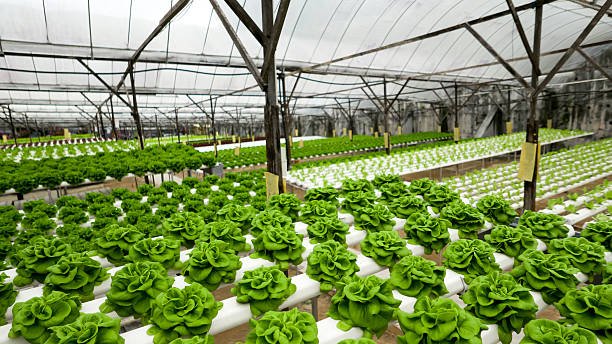
| Nutrient Film Technique (NFT) | A thin film of nutrient solution flows along sloped channels past bare roots | Lettuce, leafy greens, herbs |
| Deep Water Culture (DWC) | Plants float on rafts with roots in aerated nutrient solution | Lettuce, basil, fast leafy crops |
| Drip / Dutch bucket | Nutrient solution dripped into media-filled pots or slabs, excess collected | Tomato, cucumber, capsicum, strawberry |
| Ebb and flow | Grow beds are periodically flooded and drained | Seedlings, herbs, mixed crops |
| Wick system | Solution drawn up to roots by capillary wicks, no pumps | Hobby and educational setups |
Components of a Hydroponics System
Every hydroponic system has a place for plants, a way to deliver nutrient solution, and a reservoir where that solution is held, mixed and monitored. Commercial systems add dosing and climate control to keep conditions stable.
Nutrient strength (EC) and pH must stay within the crop's range. Automated dosing systems measure both and add nutrients or pH correctors as needed, reducing daily manual work and crop losses.
- NFT channels, DWC tanks, grow slabs or buckets
- Inert growing media such as cocopeat, perlite or clay pebbles
- Net pots and seedling trays
- Reservoir, sump and mixing tanks
- Circulation pumps, air pumps and air stones
- EC/pH monitoring and automatic dosing
- Pre-treatment: filtration, softener or RO as needed

Advantages of Hydroponics
More output per square metre
Dense planting, vertical racks and faster crop cycles produce more from limited space such as rooftops.
Water efficiency
Recirculation means water is lost mainly through plant uptake and evaporation, not seepage into soil.
Controlled microclimate
Paired with polyhouses, shade-nets, misting and fans, crops grow in steadier conditions across seasons.
No soil-borne problems
No soil means no soil-borne weeds and fewer soil pests and diseases, reducing chemical use.
Consistent quality
Uniform nutrition gives clean, consistent produce that suits retail, restaurants and direct-to-consumer sales.
Shorter supply chain
Growing near cities means fresher produce reaches buyers sooner, with less handling loss.
How We Set Up Your Hydroponic Farm
Consultation
We discuss crops, target market, space, structure and budget to shortlist the right system.
Water test and design
Source water is tested, layout and plumbing designed, and pre-treatment specified if needed.
Supply and install
Channels, tanks, pumps, dosing and controls are installed and leak-tested.
Commissioning
We run the system, set EC/pH targets with you, train your team and offer AMC support.
Who Builds Hydroponic Farms with Us
- Commercial growers
- Rooftop farms
- Polyhouse owners
- Agri-startups
- Hotels and restaurants
- Schools and colleges
- Farmhouses
- Residential societies
- Research institutions
FAQs: Hydroponics System
Straight answers to what clients ask us most. Can't find yours? Ask us directly.
Still have a question?
Talk to an engineer: +91 90734 97917 or WhatsApp us. You can also email contact@bjc-global.com.
How much does a commercial hydroponics setup cost?
Cost depends on the growing area, system type, crop, whether a polyhouse or climate control is needed, the level of automation and water pre-treatment. NFT for leafy greens has a different cost profile from drip-substrate systems for vine crops. We prepare an itemised proposal after understanding your goals and site.
Which crops grow best in hydroponics?
Leafy greens such as lettuce, spinach, pak choi and kale, and herbs like basil and mint, are popular because they grow quickly and suit NFT and DWC. Tomatoes, cucumbers, capsicum and strawberries do well in drip or bucket systems. Crop choice should also reflect your market and climate control.
Can I use borewell water for hydroponics?
It depends on its quality. High TDS, hardness or iron, common in parts of Delhi NCR and Haryana, makes nutrient management difficult and can damage crops. We test your water and, if required, recommend softening, filtration or RO so you start with a clean, predictable base for your nutrient solution.
How much water does hydroponics save?
Because nutrient solution is recirculated, water is consumed mainly through plant uptake and evaporation. Hydroponic systems therefore typically use much less water per kilogram of produce than open-field farming, although the exact saving depends on crop, climate, system type and how well the system is managed.
Does hydroponics need electricity all the time?
Most commercial systems rely on pumps and aerators, so reliable power matters. NFT and DWC are sensitive to long outages because roots need flowing or aerated solution. We usually recommend backup power or design choices that buy time during outages, especially for larger farms.
Is hydroponics difficult to manage?
It requires daily attention to EC, pH, plant health and equipment, but automation reduces the routine work considerably. Training is important in the first crop cycles. We train your team during commissioning and support you through AMC and troubleshooting as you build experience.
Can hydroponics be set up on a rooftop?
Yes, rooftops are common sites in cities like Gurugram. A structural engineer should confirm the roof can carry the weight of systems, water and people. Shade-nets or light polyhouses protect crops from extreme summer heat, and misting can help cooling. We plan layout and water supply accordingly.
Related solutions
Irrigation System
Drip, sprinkler, mist, smart and automated irrigation systems for farms, polyhouses and landscapes in Gurugram and…
Read more
IrrigationVertical Garden Irrigation
Vertical garden and green wall irrigation in Gurugram: concealed drip, fertigation, drainage and automation for…
Read more
IrrigationMist Irrigation System
Mist irrigation systems for polyhouses, greenhouses and nurseries in Gurugram and NCR. Control humidity, cool crops,…
Read more
Water treatmentWater Softening Plant
Ion exchange water softening plants that stop scale in boilers, geysers and pipes, sized to your hardness test by BJC…
Read more
Plan Your Hydroponic Farm with BJC Global
Share your space, crops and water source, and we will recommend a hydroponic system that fits your goals. Call or WhatsApp +91 90734 97917.